
The Value of a Healthy Lawn in Residential Landscaping
A well-maintained lawn is one of the most important elements of any residential landscape. It frames the home, enhances curb appeal, and creates usable outdoor space for relaxation, play, and entertaining. In areas like Mississauga and the GTA, where seasonal changes are significant, establishing a strong, healthy lawn requires careful planning and proper installation methods.
Sod installation provides an immediate solution for homeowners who want a full, green lawn without waiting for grass seed to grow. Unlike seeding, which can take weeks or months to establish, sod delivers an instant transformation.
Beyond appearance, a healthy lawn also improves soil stability, reduces erosion, and helps manage water runoff. When installed correctly, sod creates a durable, even surface that supports long-term landscape performance.
What Is Sod and How It Works
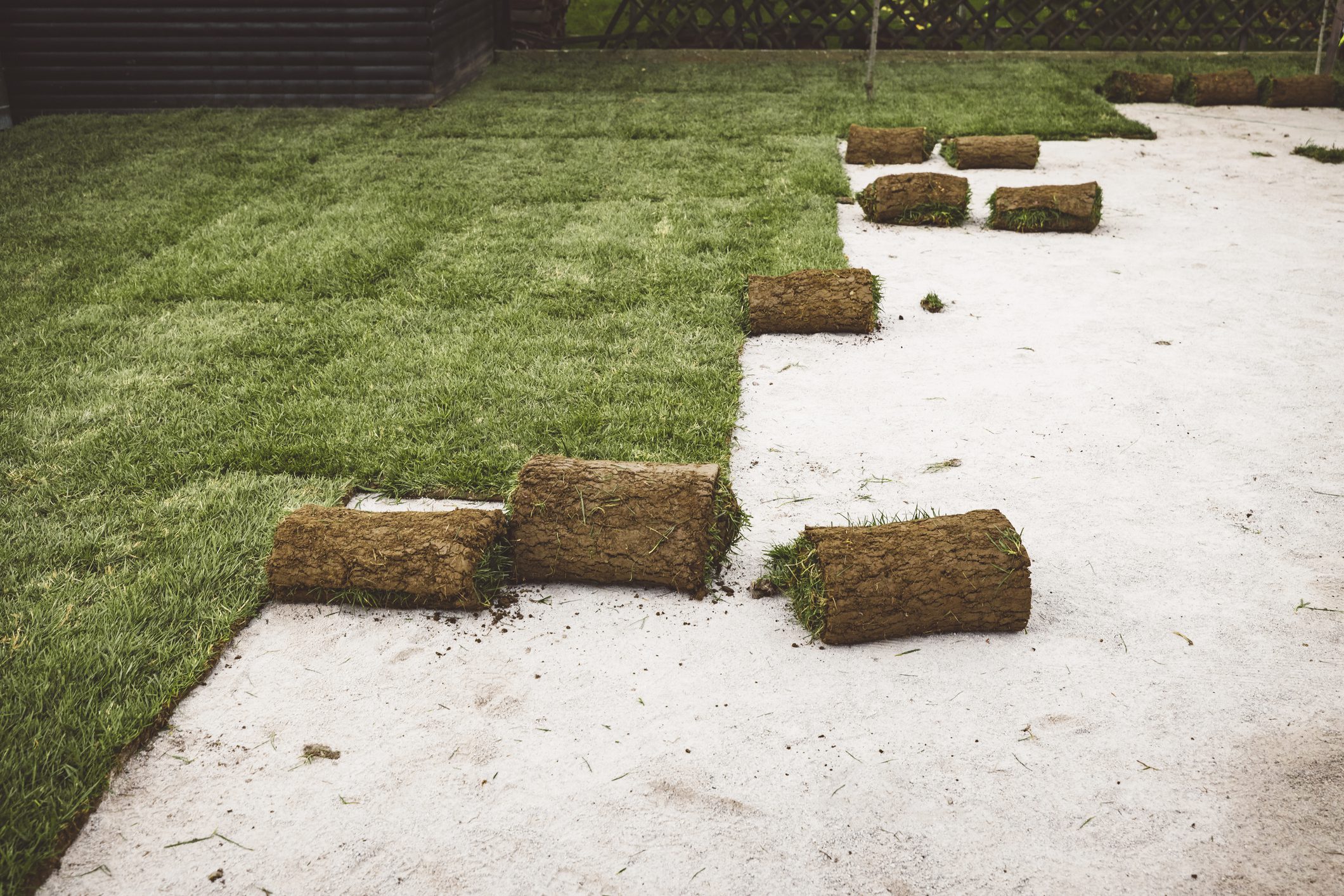
Sod is pre-grown grass that is harvested in sections with a layer of soil and roots attached. It is rolled and transported to installation sites, where it is laid directly onto prepared ground.
Once installed, the sod’s root system begins to integrate with the existing soil. With proper watering and care, it establishes a strong bond within a few weeks, creating a continuous and stable lawn surface.
Different grass types are used depending on climate and usage conditions. In Ontario, cool-season grasses such as Kentucky bluegrass, rye grass, and fescues are commonly used due to their ability to withstand seasonal temperature changes.
Sod is especially useful in new home construction, landscape renovations, or areas where soil has been disturbed due to construction or grading work.
Benefits of Sod Installation
Sod offers several advantages compared to traditional seeding methods. The most immediate benefit is appearance. Sod provides a fully green lawn on the day it is installed, significantly improving curb appeal.
It also offers faster usability. While seeded lawns require time to germinate and grow, sod can typically be walked on within a few weeks after installation, depending on conditions.
Sod also helps prevent soil erosion. Because it includes an established root system, it stabilizes the soil immediately, making it ideal for sloped areas or properties exposed to heavy rain.
Another key advantage is weed reduction. Since sod is grown in controlled conditions before installation, it typically contains fewer weeds than seeded lawns, resulting in a cleaner, more uniform appearance.
Where Sod Is Commonly Used
Sod is used in a wide range of residential landscaping applications. One of the most common uses is full lawn installation for new homes or renovated properties.
It is also used to repair damaged or patchy lawns where grass has died due to poor soil, drainage issues, or heavy use. In these cases, sod provides a quick and effective restoration solution.
Sod is frequently installed around new landscape features such as patios, walkways, driveways, and pool areas. It helps blend hardscape elements into the surrounding environment, creating a balanced outdoor space.
It is also used in backyard transformations where grading has been completed and a fresh, uniform lawn surface is required.
Preparing the Site for Sod Installation
Proper site preparation is essential for successful sod installation. The process begins with removing existing grass, weeds, and debris from the area.
The soil is then graded to ensure proper drainage. In the GTA, this step is particularly important due to clay-heavy soil conditions that can retain water and create uneven surfaces.
Once grading is complete, the soil is loosened and improved with topsoil or amendments if necessary. This creates a healthy base that supports root growth.
A final raking ensures the surface is smooth and even before sod is laid. Proper preparation ensures the sod makes full contact with the soil, which is critical for root establishment.
The Sod Installation Process
Sod installation is a precise process that must be completed efficiently to maintain grass health.
Once delivered, sod is laid in staggered rows, similar to brickwork. This pattern helps prevent gaps and promotes even coverage across the entire lawn.
Each piece of sod is pressed firmly into the soil to eliminate air pockets and ensure strong root contact. Seams are tightly fitted to create a seamless appearance.
After installation, the lawn is rolled to further secure the sod and ensure even contact with the soil beneath.
Immediate watering is essential. The sod must be kept consistently moist during the initial establishment period to encourage root growth and prevent drying.
Watering and Early Maintenance
Proper watering is the most important factor in sod success. During the first two weeks, sod typically requires frequent watering to keep both the grass and soil consistently moist.
As roots begin to establish, watering frequency is gradually reduced, but deeper watering is encouraged to promote strong root development.
During the first few weeks, foot traffic should be limited to prevent shifting and allow roots to anchor properly into the soil.
Mowing can begin once the grass reaches an appropriate height, typically after a few weeks. It is important not to cut too short during early stages, as this can stress the new lawn.
Long-Term Care and Lawn Health
Once established, sod behaves like any mature lawn and requires regular maintenance to stay healthy.
This includes mowing at appropriate heights, seasonal fertilization, and proper watering during dry periods.
Aeration can also be beneficial over time, especially in compacted soil conditions common in residential areas. This helps improve airflow, water absorption, and root growth.
Weed control and overseeding may be required periodically to maintain a dense, uniform lawn surface.
With consistent care, a sod lawn can remain healthy and attractive for many years.
Common Issues and How to Avoid Them
One of the most common issues with sod is improper watering. Under-watering can cause drying and shrinkage, while over-watering can lead to root rot or poor soil conditions.
Poor soil preparation is another issue. If sod is laid on compacted or uneven soil, it may not establish properly, leading to uneven growth or dead patches.
Improper installation timing can also affect results. Extreme heat or cold conditions can stress new sod, making seasonal timing an important consideration.
Working with experienced professionals helps prevent these issues and ensures proper installation techniques are followed from start to finish.
Sod vs. Seeding: Which Is Better?
Sod and seeding are both valid methods of lawn establishment, but they serve different needs.
Sod provides immediate results and is ideal for homeowners who want instant curb appeal or need quick lawn coverage. It also offers better erosion control and weed resistance in the early stages.
Seeding is more cost-effective but requires time, patience, and consistent maintenance. It is often used for large rural properties or areas where budget is a primary concern.
In many residential landscaping projects, sod is preferred due to its speed, reliability, and visual impact.
Conclusion: Instant Green Lawns With Long-Term Value
Sod installation is one of the fastest and most effective ways to transform an outdoor space. It provides immediate visual improvement while also supporting soil stability and long-term lawn health.
When properly installed and maintained, sod creates a strong, durable lawn that enhances the overall landscape and increases property value.
Work With Signature Landscape Construction
At Signature Landscape Construction, we provide professional sod installation services across Mississauga and the GTA. Our team ensures proper site preparation, precise installation, and guidance for long-term lawn success.
Whether you are completing a new build, repairing an existing lawn, or upgrading your outdoor space, we deliver clean, consistent, and lasting results.