
The Importance of Fencing in Residential Landscapes
Fencing plays a key role in shaping how a property looks, functions, and feels. It provides privacy, defines boundaries, improves safety, and adds structure to outdoor living spaces. In residential areas across Mississauga and the GTA, fencing is often one of the final elements that brings a landscape design together.
Beyond simple separation, a well-designed fence contributes to curb appeal and complements features such as patios, driveways, walkways, and gardens. It creates a sense of enclosure that makes outdoor areas feel more comfortable and usable.
In addition to aesthetics, fencing also serves practical purposes such as protecting pets and children, reducing noise, and increasing security. When properly planned and installed, it becomes an essential part of a complete outdoor environment.
Common Types of Residential Fencing
Homeowners have several fencing options depending on their goals, budget, and design preferences. Each material offers unique advantages in terms of durability, appearance, and maintenance.
Wood fencing is one of the most traditional choices. It offers a natural look that blends well with landscaping and can be customized with different heights, stains, and styles. Wood fences are commonly used for privacy applications and backyard enclosures.
Vinyl fencing provides a low-maintenance alternative to wood. It is resistant to moisture, rot, and insects, making it a durable option for long-term use. Vinyl fencing is available in various colours and styles, including privacy and picket designs.
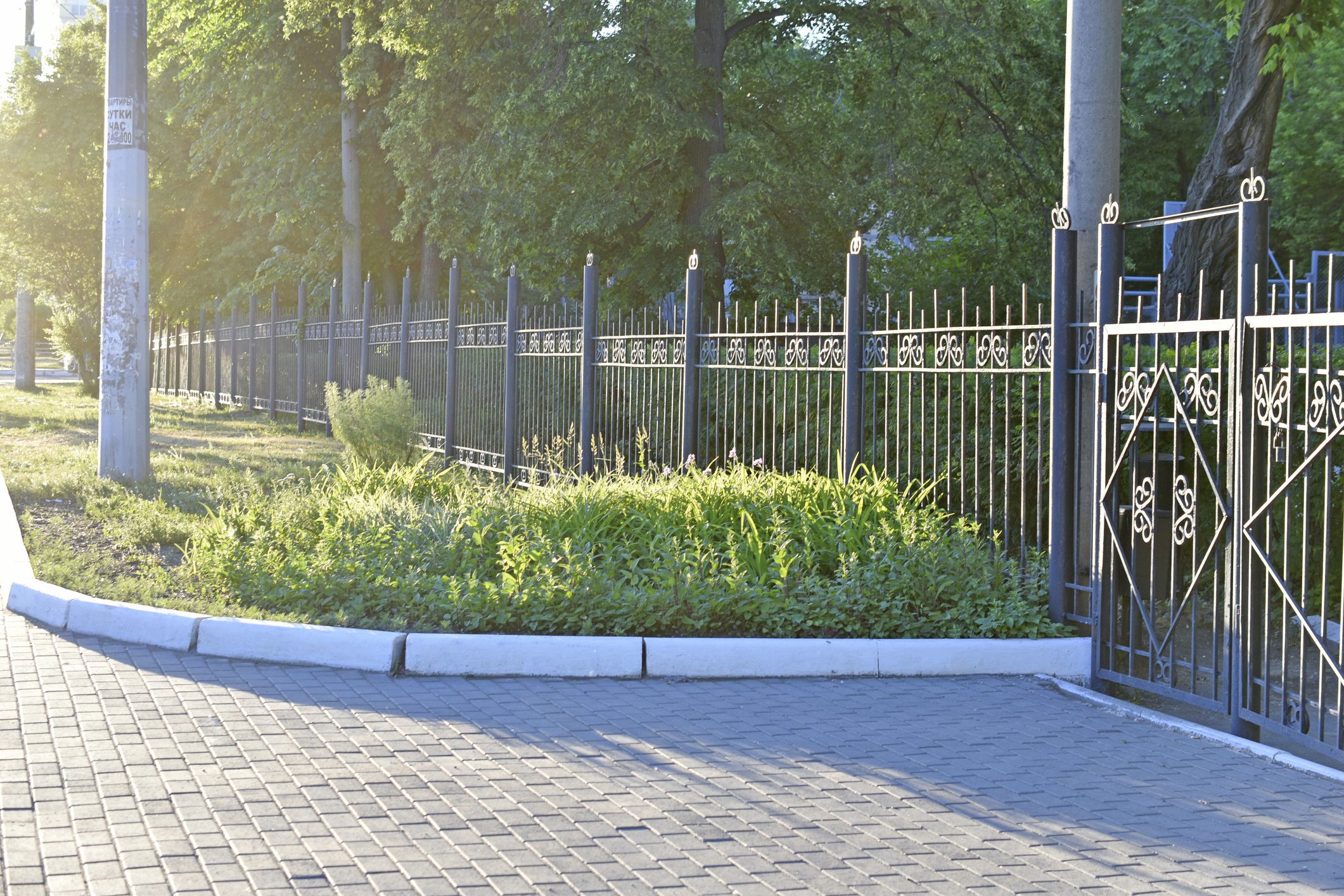
Metal fencing, such as aluminum or ornamental steel, is often used for decorative boundaries and front yard applications. It offers strength, durability, and a more open visual appearance while still defining property lines.
Chain-link fencing is a practical and cost-effective option often used for side yards, utility areas, or pet containment. While less decorative, it provides reliable security and function.
Each material can be selected based on how the fence will be used and how it integrates with the overall landscape design.
How Fencing Enhances Outdoor Living Spaces
Fencing does more than mark property boundaries—it actively shapes how outdoor spaces are used. A well-placed fence can divide functional zones within a yard, creating separate areas for dining, lounging, gardening, or play.
In backyards with pools, fencing is often a required safety feature. It helps meet municipal regulations while also providing peace of mind for homeowners with children or pets.
Fencing can also improve privacy, especially in densely populated neighbourhoods. By blocking sight lines from adjacent properties, it creates a more comfortable and secluded environment for relaxation and entertainment.
In landscape design, fencing works alongside patios, walkways, and planting beds to create a cohesive outdoor layout. It acts as a backdrop that frames the entire space and enhances visual structure.
Design Styles and Customization Options
Modern fencing is highly customizable, allowing homeowners to match their fence to their home’s architecture and landscape style.
Horizontal wood fencing has become popular for contemporary homes, offering a clean, linear appearance. Traditional vertical board fences remain common for privacy-focused applications.
Lattice tops, decorative post caps, and mixed material designs can add visual interest and reduce the appearance of solid barrier walls. These details help soften the look of fencing while maintaining functionality.
Colour selection also plays a role. Natural wood stains create a warm, organic feel, while painted or stained finishes can be matched to exterior trim or landscape elements. Vinyl and metal fencing offer additional colour consistency with minimal maintenance.
Gate integration is another important design consideration. Functional gates provide access between yard sections while maintaining security and flow within the landscape.
Planning a Fence for Function and Longevity
Proper planning is essential to ensure a fence performs well over time. The layout should consider property lines, elevation changes, drainage, and intended use.
Before installation, it is important to confirm local regulations and setback requirements. In many municipalities across the GTA, fence height and placement are regulated, especially near sidewalks, driveways, and corner lots.
Soil conditions also affect fence stability. Areas with soft or shifting soil require deeper post installation and proper concrete footings to prevent movement over time.
Drainage is another key factor. Water accumulation around fence posts can lead to premature deterioration, especially in wood structures. Proper grading helps extend the lifespan of the fence.
A well-planned fence layout ensures functionality while avoiding future maintenance issues or structural problems.
Fence Installation Process
Professional fence installation follows a structured process to ensure accuracy, durability, and alignment with the overall landscape design.
The process begins with site measurement and layout marking. This ensures the fence follows property boundaries and is positioned correctly relative to existing structures.
Post holes are then excavated to the appropriate depth, depending on soil conditions and fence height. Posts are set in concrete to provide a stable foundation.
Once posts are secured, horizontal rails and panels are installed based on the chosen design. Each section is carefully aligned to maintain consistency and structural strength.
Gates are installed with reinforced hardware to ensure smooth operation and long-term durability. Final adjustments are made to ensure proper spacing and alignment.
The site is then cleaned, and the completed fence is inspected to ensure quality and stability.
Fence Maintenance and Durability
Maintenance requirements vary depending on the material used. Wood fences require periodic staining or sealing to protect against moisture and UV exposure. Regular inspections help identify early signs of wear, such as warping or loose boards.
Vinyl fencing requires minimal maintenance and can typically be cleaned with water and mild soap. It is resistant to rot and insect damage, making it a long-lasting option.
Metal fencing may require occasional inspections for rust or coating wear, depending on the material type and finish.
Proper installation significantly reduces maintenance needs and extends the lifespan of any fence type. When built correctly, fencing can last many years with minimal upkeep.
Fencing and Overall Landscape Design Integration
Fencing should not be treated as an isolated feature. Instead, it should be integrated into the overall landscape design.
When coordinated with patios, walkways, retaining walls, and planting beds, fencing helps create a unified outdoor environment. It frames key spaces and provides structure that supports the overall layout.
Planting along fence lines can soften hard edges and add natural beauty. Shrubs, hedges, and climbing plants are often used to enhance privacy and visual appeal.
Lighting can also be integrated into fencing design to improve safety and highlight architectural features at night.
A well-integrated fence enhances both the functionality and aesthetics of the entire property.
Why Professional Installation Matters
Fence installation requires precision, planning, and knowledge of local conditions. Professional contractors ensure posts are properly set, materials are correctly installed, and layouts comply with municipal regulations.
Improper installation can lead to leaning posts, uneven lines, or premature failure. These issues often result in costly repairs or full replacement.
Experienced installers also understand how to coordinate fencing with other landscape elements, ensuring a seamless and cohesive final result.
Choosing professional installation helps ensure durability, safety, and long-term value.
Conclusion: Defining Your Outdoor Space With Quality Fencing
Fencing is an essential component of any well-designed landscape. It provides privacy, structure, safety, and visual definition while enhancing the overall outdoor experience.
When thoughtfully designed and properly installed, a fence becomes more than a boundary—it becomes part of a complete outdoor living environment that adds value and functionality to the property.
Work With Signature Landscape Construction
At Signature Landscape Construction, we design and install high-quality fencing solutions across Mississauga and the GTA. Our team ensures every fence is built with durability, precision, and integration into your overall landscape design. From privacy fencing to decorative and functional boundary solutions, we deliver results that enhance both appearance and usability.