
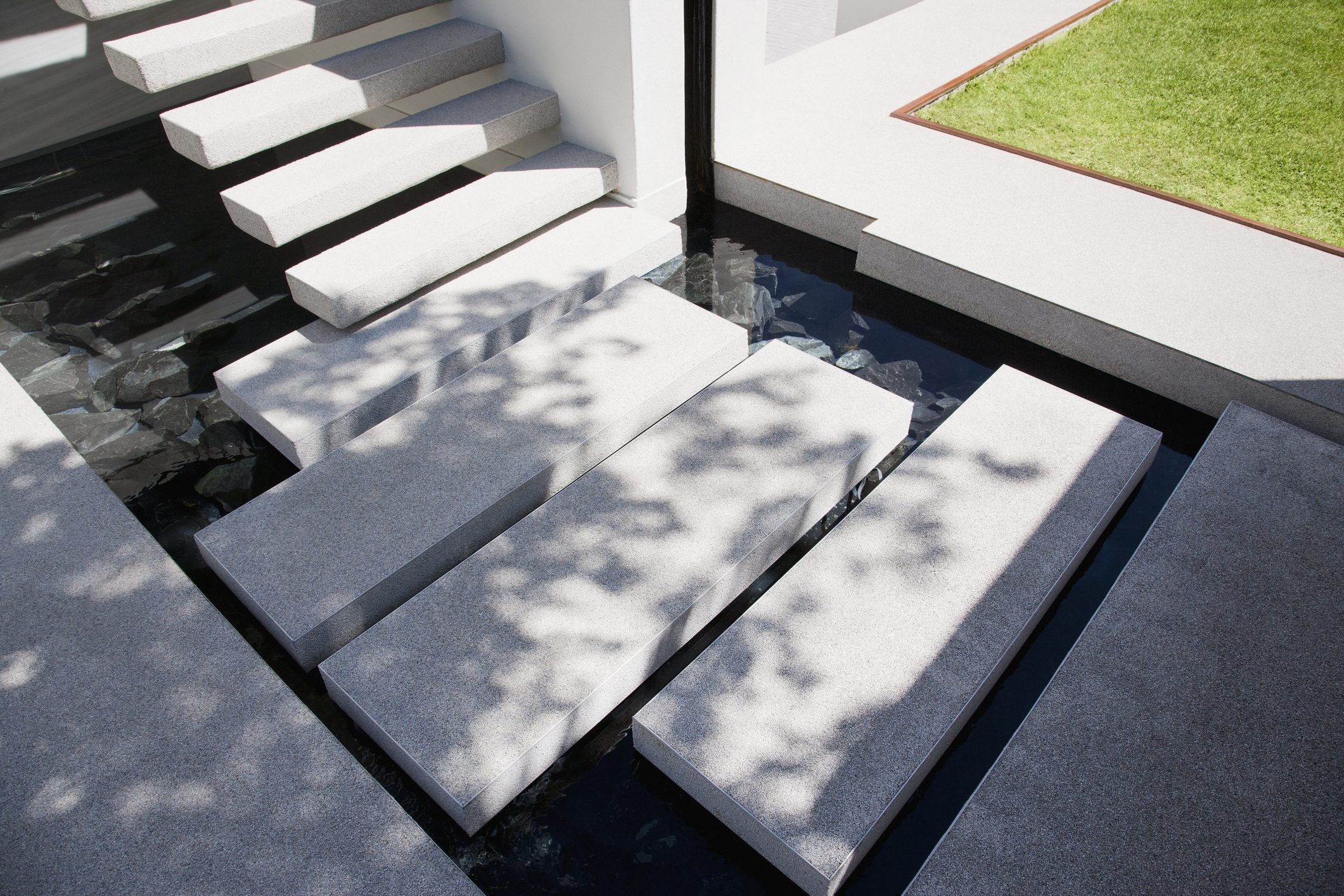
Understanding Concrete in Outdoor Landscaping
Concrete is one of the most widely used materials in outdoor construction due to its strength, versatility, and long-term durability. It is commonly used for driveways, walkways, patios, pool decks, steps, and structural foundations within residential landscapes.
At its core, concrete is a mixture of cement, aggregates, and water that hardens into a solid surface. When properly installed, it creates a stable base capable of handling heavy loads and constant use. However, its performance depends heavily on preparation, installation quality, and environmental conditions.
In regions like Mississauga and the GTA, concrete must withstand freeze-thaw cycles, moisture exposure, and seasonal temperature changes. Without proper installation techniques, these conditions can lead to cracking, surface wear, and long-term deterioration.
Benefits of Concrete for Homeowners
Concrete remains a popular choice for homeowners because of its strength and cost efficiency. Once installed, it provides a long-lasting surface with minimal maintenance requirements compared to other materials.
One of its main advantages is durability. Concrete can handle heavy vehicle loads, making it ideal for driveways and parking areas. It also performs well in high-traffic zones such as walkways and patios.
Another benefit is design flexibility. Modern concrete is no longer limited to plain grey surfaces. It can be stamped, coloured, or textured to mimic stone, brick, or tile finishes. This allows homeowners to achieve a wide range of aesthetic styles without switching materials.
Concrete is also relatively low maintenance. With occasional cleaning and sealing, it can maintain its appearance and structural integrity for many years.
Common Uses of Concrete in Residential Projects
Concrete plays an important role in a wide range of outdoor applications. One of the most common uses is driveways, where its strength supports vehicle weight and frequent use. Properly installed concrete driveways provide a clean and solid entry point to the home.
Patios are another popular application. Concrete patios offer a flat, stable surface for outdoor furniture, dining areas, and entertainment spaces. They can be finished in decorative styles to improve visual appeal.
Walkways made of concrete provide safe and durable paths between different areas of a property. These are especially useful for front entrances, side yards, and garden access routes.
Concrete is also used for pool surrounds and coping areas. Its solid surface helps create a clean, functional edge around swimming pools while supporting additional landscaping features.
In addition, concrete is often used for steps, foundations, and retaining elements within larger landscape designs.
Types of Concrete Finishes and Styles
Concrete is highly adaptable, offering several finish options to match different design preferences.
Broom-finished concrete is one of the most common options. It provides a slightly textured surface that improves traction, making it ideal for driveways and walkways.
Stamped concrete is designed to replicate the appearance of natural stone, brick, or tile. It adds decorative value while maintaining the strength of traditional concrete.
Exposed aggregate concrete reveals the stone within the mix, creating a textured, high-end look that works well for patios and pool decks.
Smooth trowel finishes are often used for indoor or covered areas where a clean, modern appearance is preferred.
Each finish offers different levels of traction, maintenance needs, and visual impact, allowing homeowners to choose based on both function and style.
The Importance of Proper Concrete Installation
The longevity of concrete depends heavily on how it is installed. Even high-quality materials can fail if the base preparation is not done correctly.
Proper installation begins with excavation to remove organic material and unstable soil. A compacted gravel base is then installed to create a stable foundation. This step is critical for preventing shifting and cracking.
Drainage is another key factor. Water must be directed away from the surface to avoid pooling, which can weaken the structure over time.
Control joints are also added during installation to manage natural expansion and contraction. These joints help reduce random cracking by allowing the concrete to move in controlled sections.
Finally, curing is essential. Concrete must be allowed to harden gradually to reach its full strength. Rushing this process can compromise durability.
Common Issues With Concrete Surfaces
While concrete is strong, it is not immune to wear and environmental stress. One of the most common issues is cracking, which can occur due to freeze-thaw cycles, soil movement, or improper installation.
Surface scaling can also happen when water and de-icing salts penetrate the surface, causing the top layer to peel or flake over time.
Discolouration may occur due to uneven curing, weather exposure, or chemical reactions with salts and moisture.
In some cases, settlement or sinking can develop if the base was not properly compacted during installation.
Most of these issues can be reduced or prevented with proper construction methods and routine maintenance.
Maintenance and Longevity of Concrete
Concrete requires relatively low maintenance but benefits from regular care. Cleaning the surface periodically helps remove dirt, stains, and debris.
Sealing concrete every few years can help protect it from moisture penetration, salt damage, and surface wear. This also enhances colour and finish in decorative concrete applications.
In winter, it is important to use de-icing products carefully, as harsh chemicals can damage the surface over time. Snow removal should be done with non-metal tools to avoid scratching.
With proper installation and maintenance, concrete surfaces can last 20–30 years or more.
Concrete vs Other Landscaping Materials
Concrete is often compared to materials like interlock pavers, asphalt, and natural stone.
Compared to interlock, concrete has a lower upfront cost but is less flexible when repairs are needed. Cracks in concrete often require patching or replacement of larger sections, while interlock allows for individual paver replacement.
Compared to asphalt, concrete offers a more refined appearance and longer lifespan, though both are prone to cracking in harsh climates.
Compared to natural stone, concrete is more affordable and offers more uniformity, while stone provides a more natural and premium aesthetic.
Each material has its place depending on budget, design goals, and long-term expectations.
Why Professional Installation Matters
Professional installation ensures that concrete is built to last. Experienced contractors understand how to assess soil conditions, manage drainage, and properly prepare the base.
They also ensure correct finishing techniques, joint placement, and curing processes are followed. These details significantly impact long-term performance.
Hiring professionals reduces the risk of premature cracking, drainage issues, and costly repairs. It also ensures the final result is both functional and visually consistent with the rest of the landscape.
Conclusion: Building Strong Outdoor Spaces With Concrete
Concrete remains one of the most reliable materials for outdoor construction. Its strength, versatility, and cost-effectiveness make it suitable for a wide range of residential applications.
When properly installed, it provides long-lasting performance and a clean, functional finish that enhances any property. From driveways and patios to walkways and pool areas, concrete continues to be a trusted solution for modern landscaping.
Work With Signature Landscape Construction
At Signature Landscape Construction, we design and install high-quality concrete surfaces across Mississauga and the GTA. Our team focuses on durable construction, proper preparation, and clean finishing to ensure long-term performance in every project. Whether you are upgrading a driveway, building a patio, or adding functional walkways, we deliver concrete solutions built for strength and style.